Stories carried downstream
Voices of River History is an online audio station carrying the voices and oral histories of people from endangered communities along America’s rivers. It plays around the clock and never plays the same way twice. Listening events will bring the stream into public spaces along the river.
Listen to Voices of River History
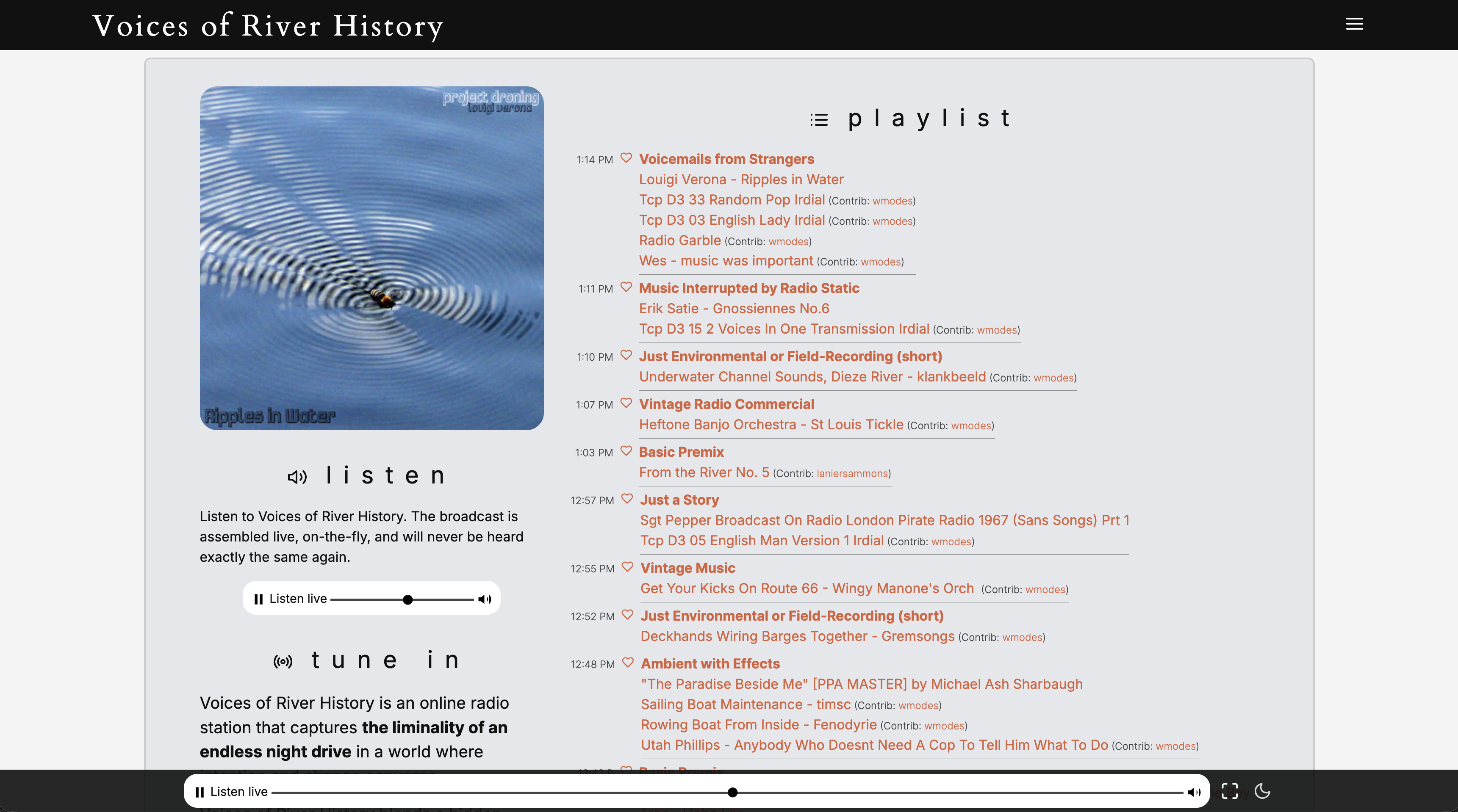
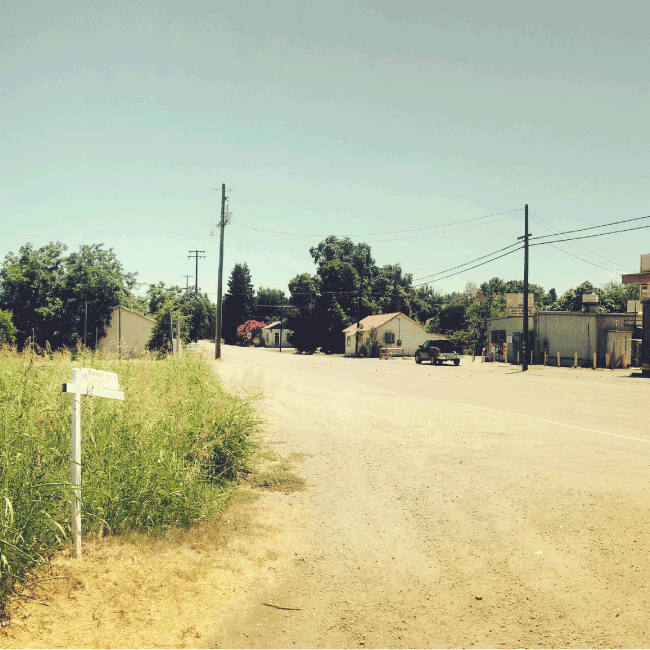
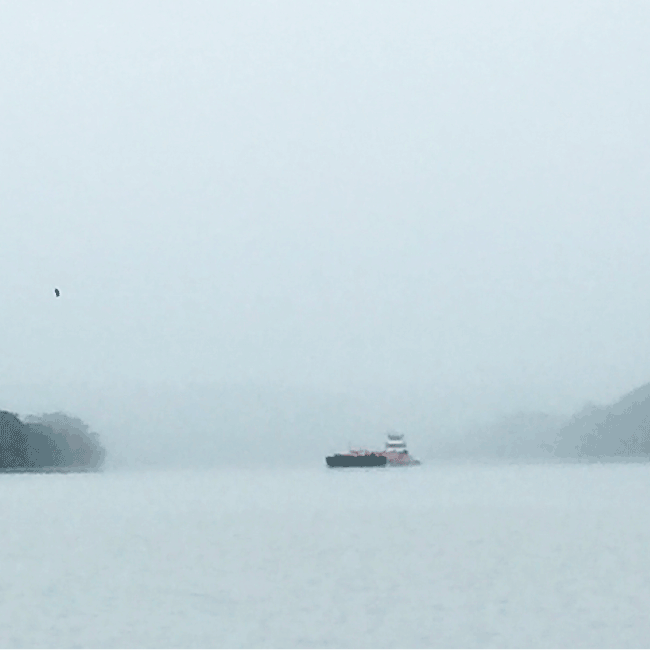
Listen for a while and you might hear a man remembering the flood of ’55 in Santa Cruz’s Chinatown, a piano trio written for the river, crickets after the rain quits. The interviews sit inside the sound of the rivers where they were recorded: wake against a hull, a barge coming up slow, a thunderstorm.
Where it comes from
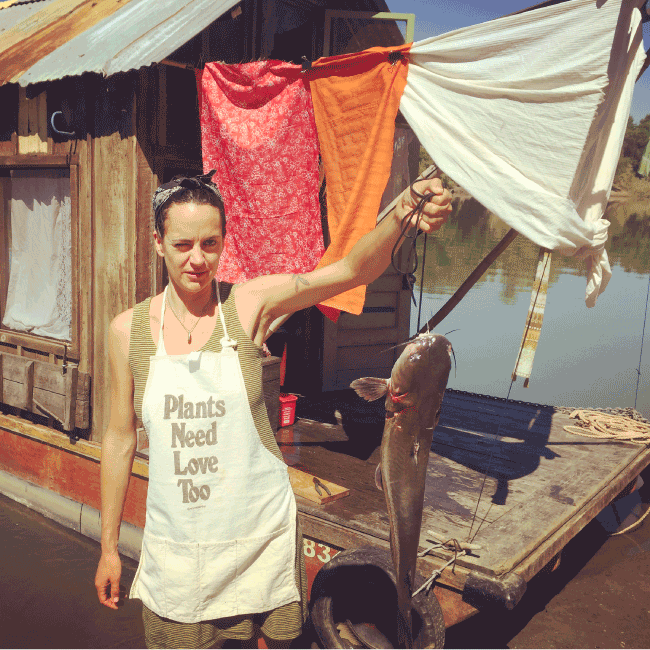
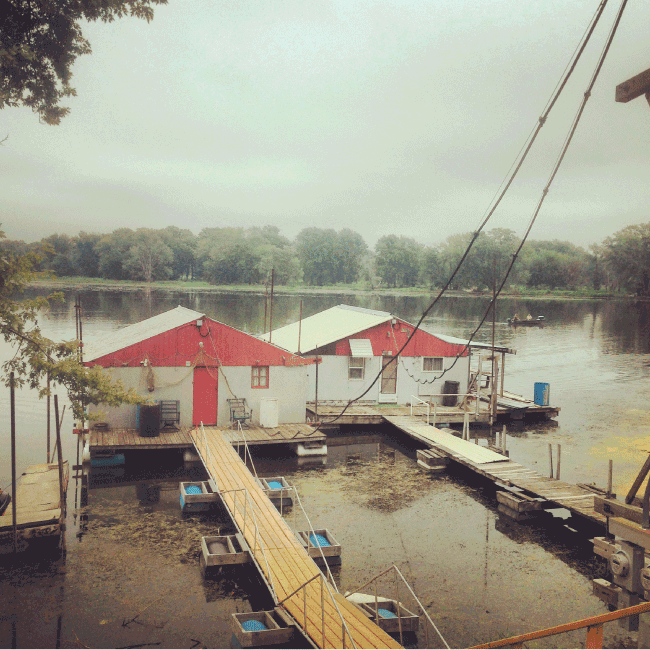
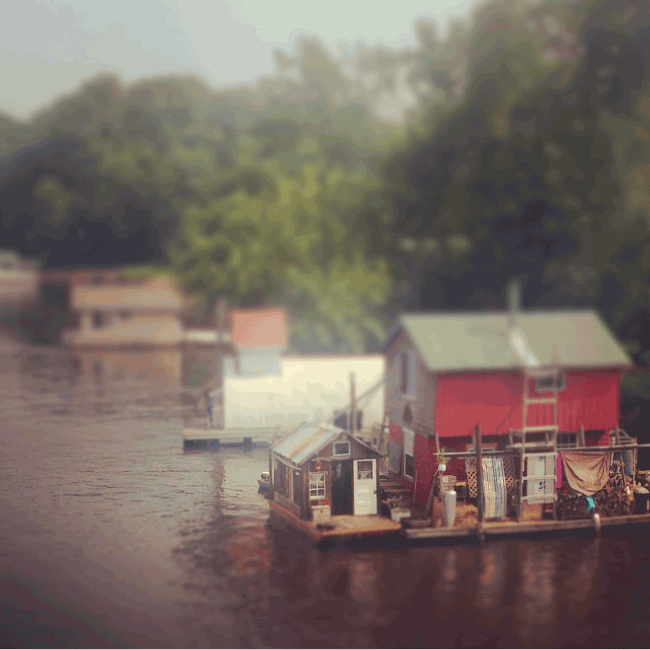
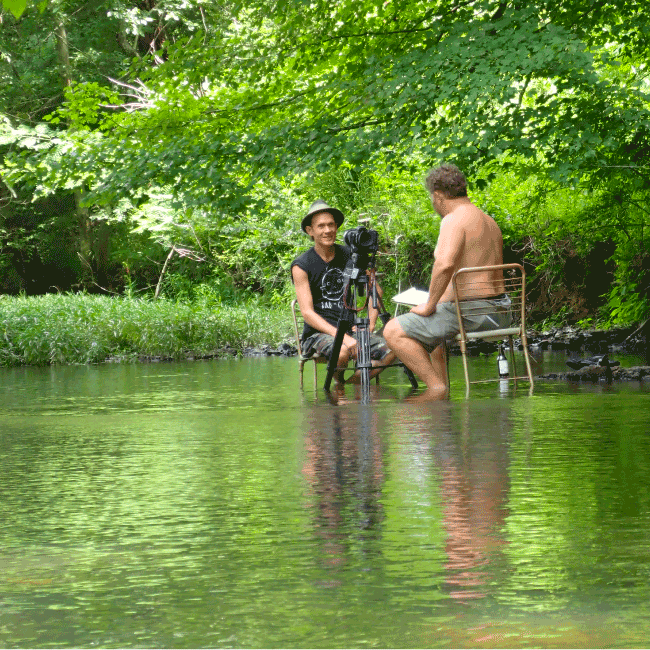
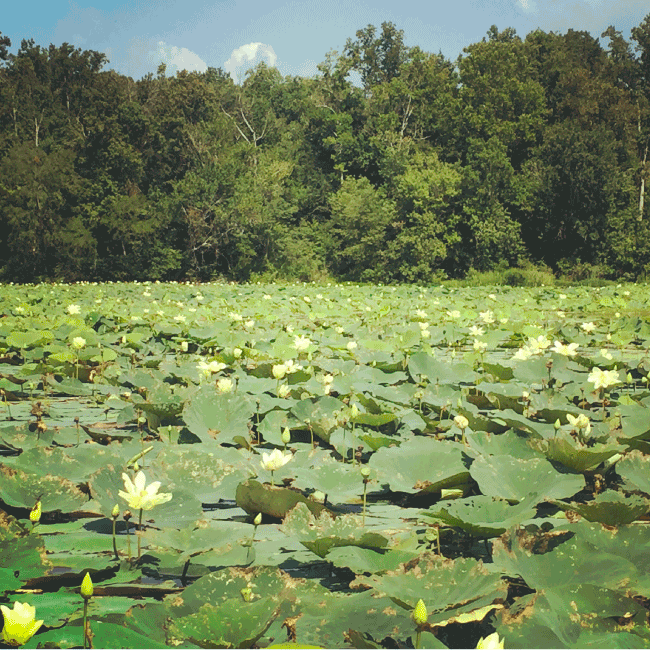
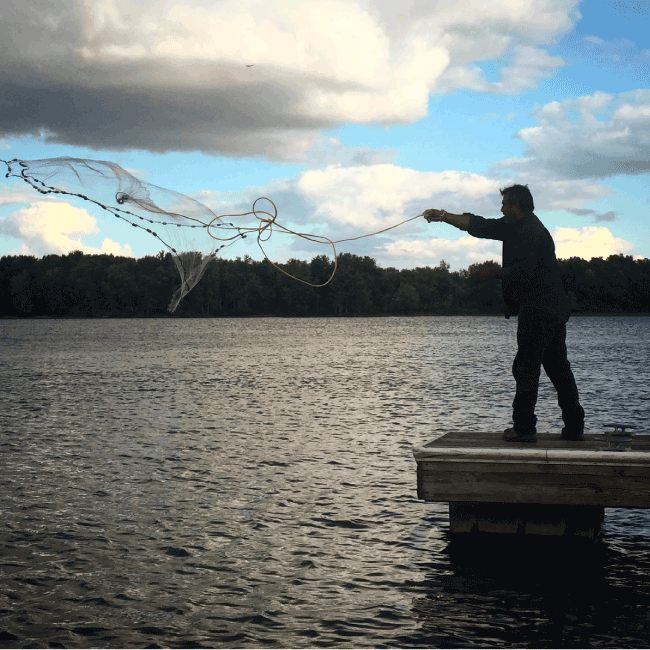
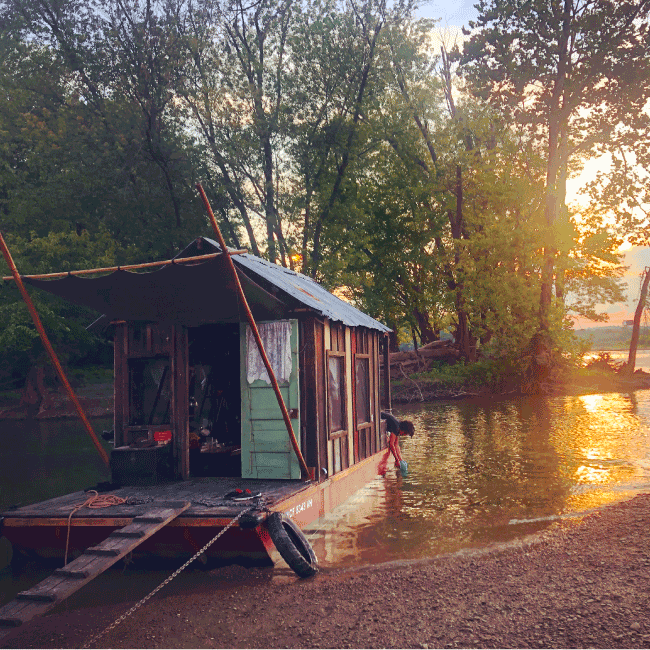
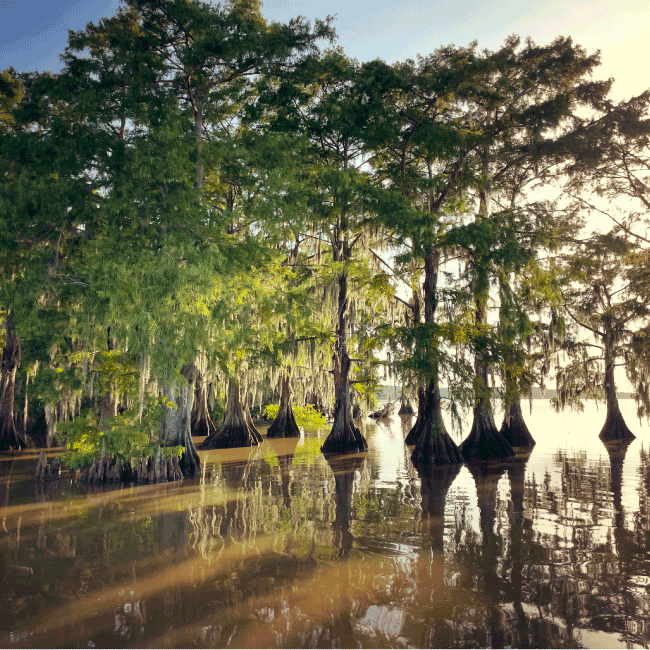
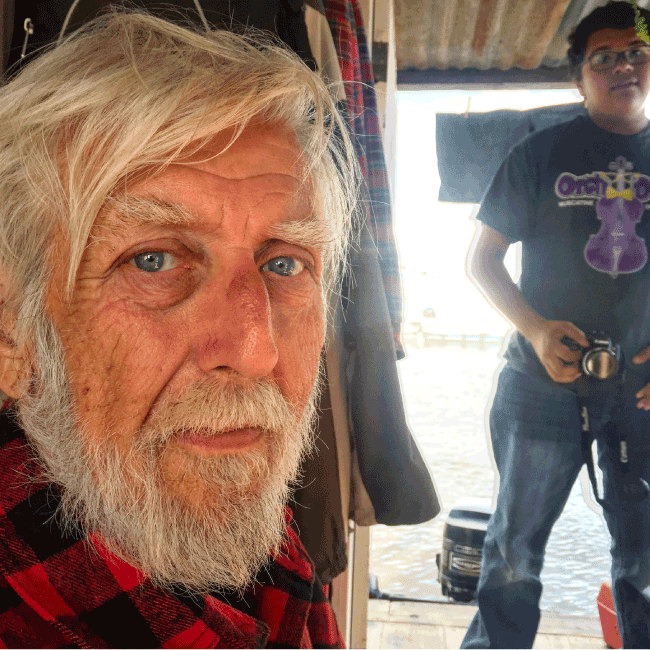
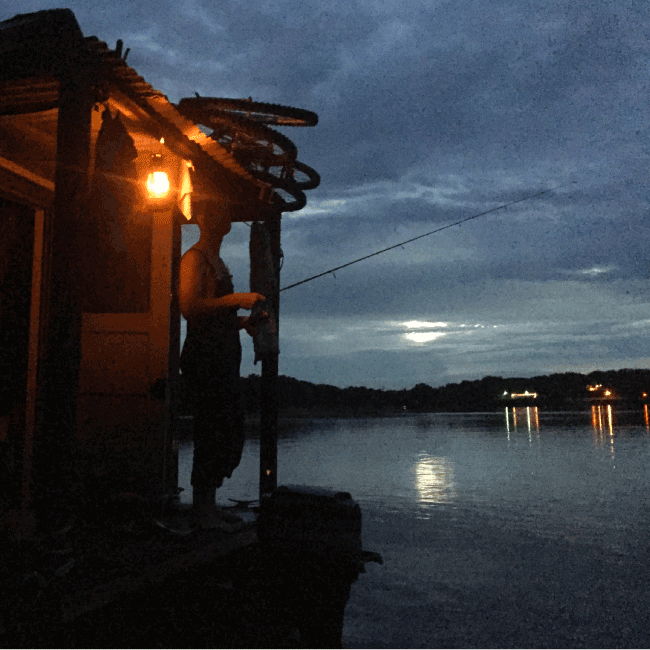
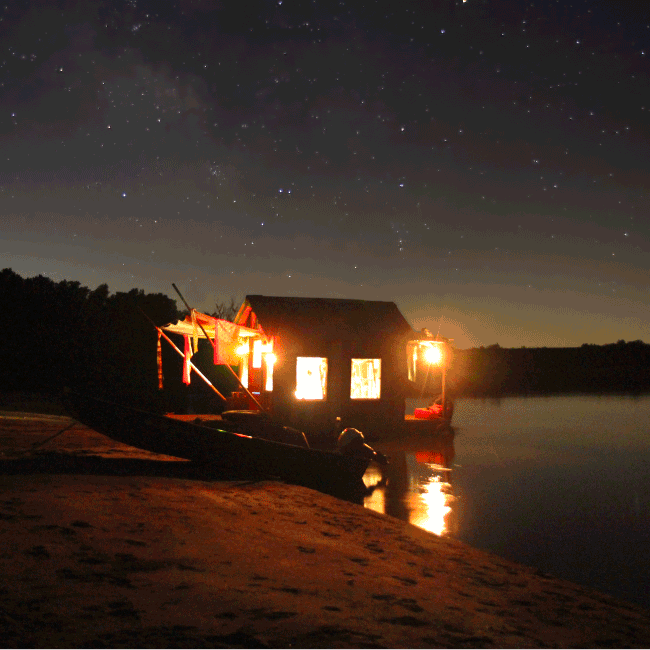
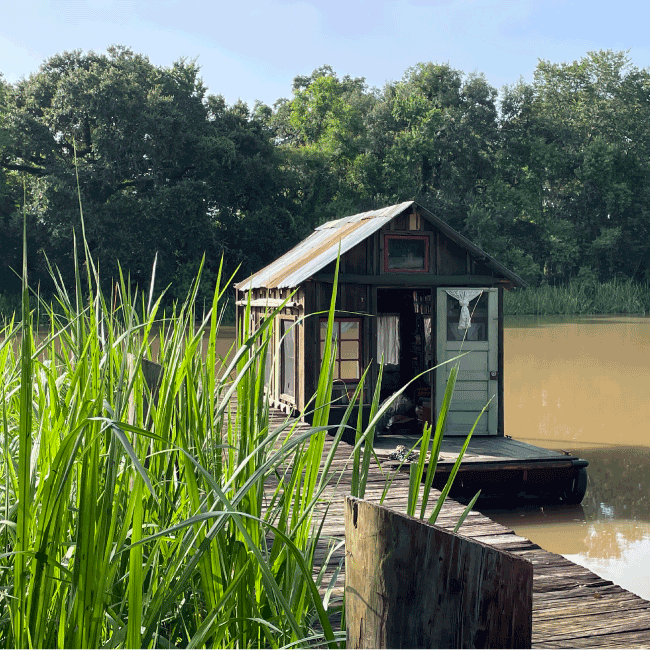
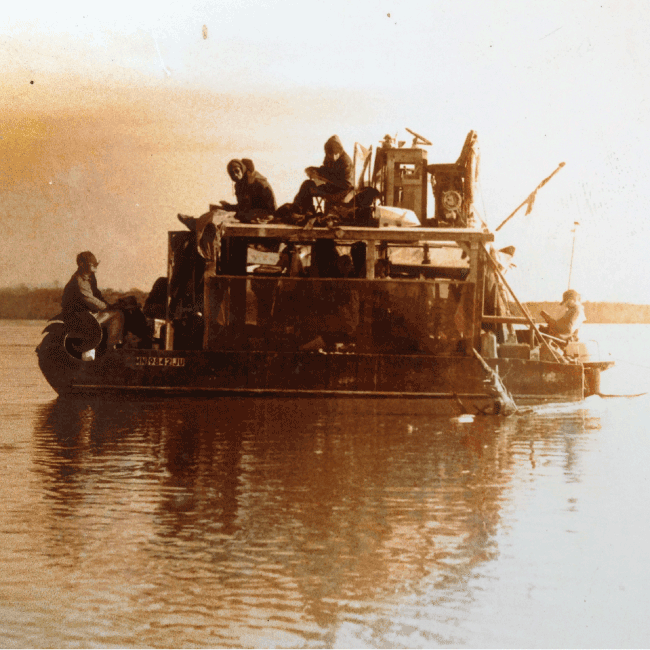
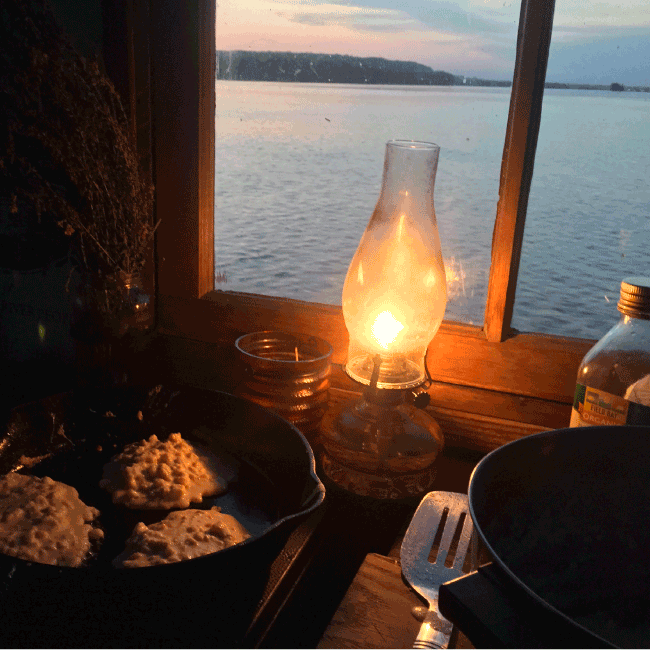
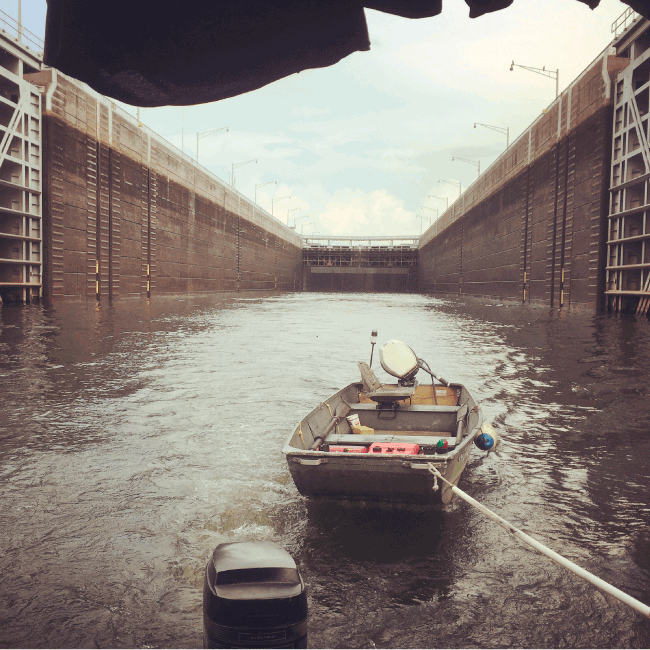
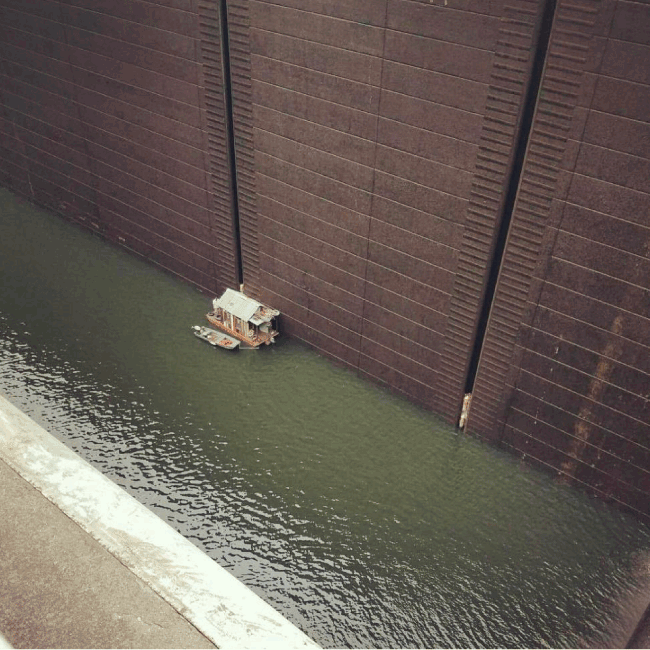
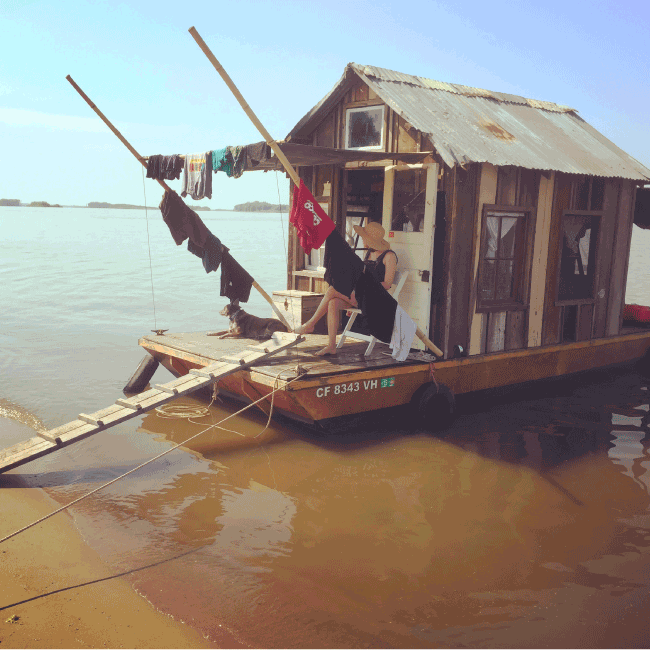
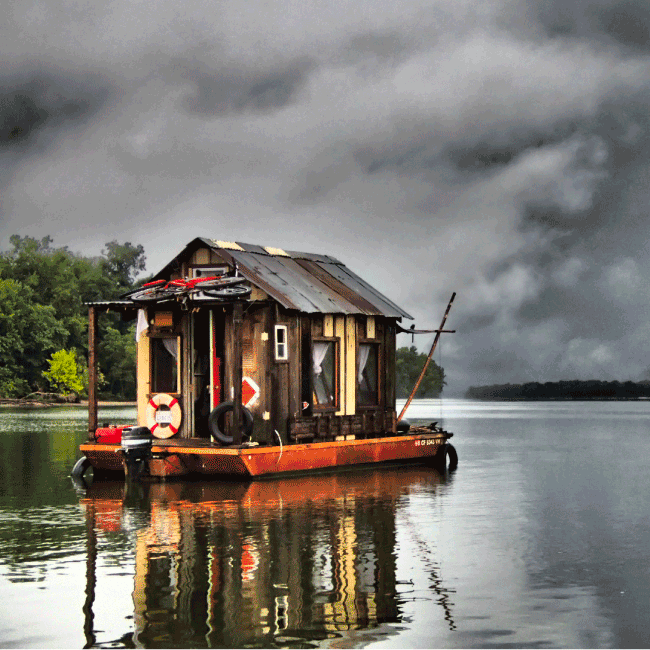
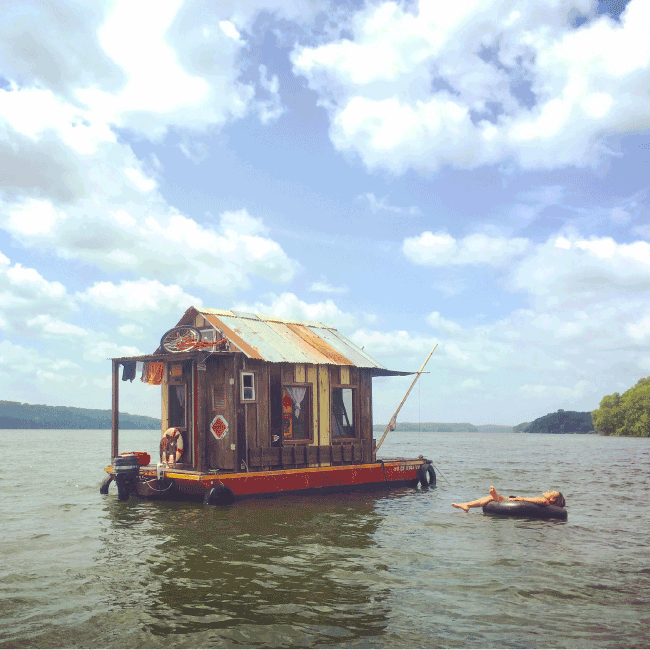
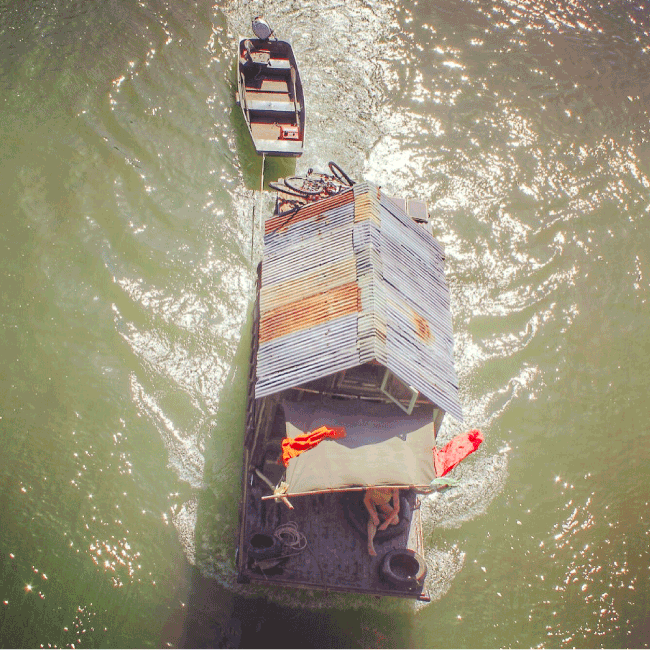
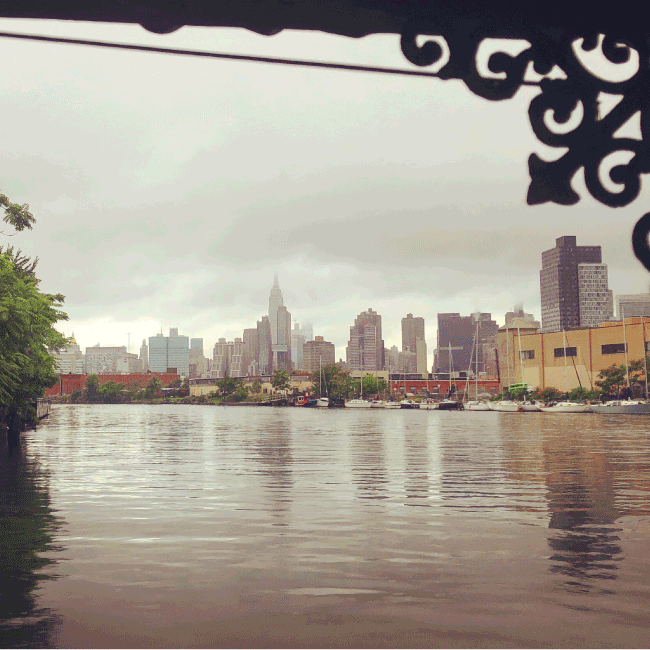
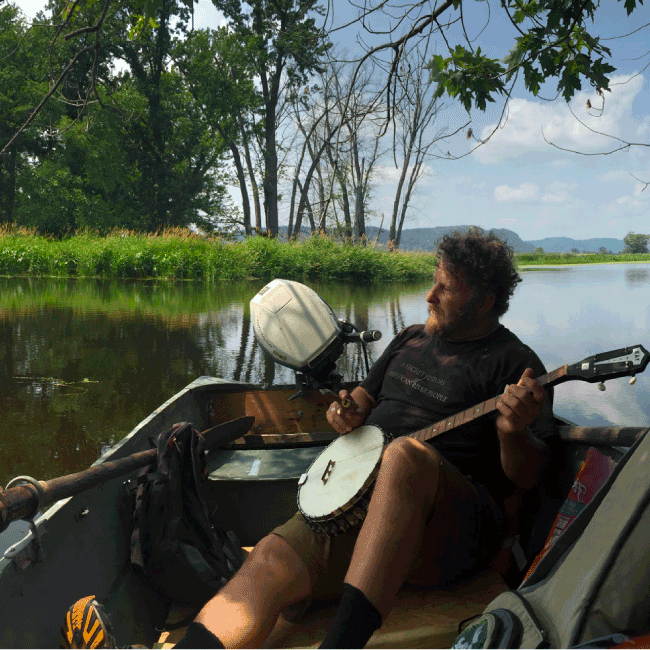
Since 2014, the crew of Shantyboat Dotty has traveled more than 3,000 river miles on the Upper Mississippi, the Tennessee, the Sacramento, the Hudson, the Ohio, and through the Atchafalaya Basin, tying up in river towns and recording the stories official histories leave out. That project is A Secret History of American River People, and its archive now holds close to 200 oral histories.
For more than a dozen years, Secret History has done the listening. Voices of River History is the hearing.
University of Cincinnati students work through the strongest interviews, cutting excerpts, leveling them, and tagging them by topic, mood, and place so the stream can find them.
How it runs
The stream runs on DriftConditions, an open-source audio platform Wes Modes built to assemble radio in real time from a library of contributed sound. Short templates called recipes set the structure of each segment: a voice in the foreground, river sound underneath, room for silence. What fills that structure is drawn from the archive each time, so a pairing heard tonight may not come around again. Composer Lanier Sammons advises on the mix.
The method is the same one the boat uses. The route is planned. Who turns up is left to chance.